
Introduction
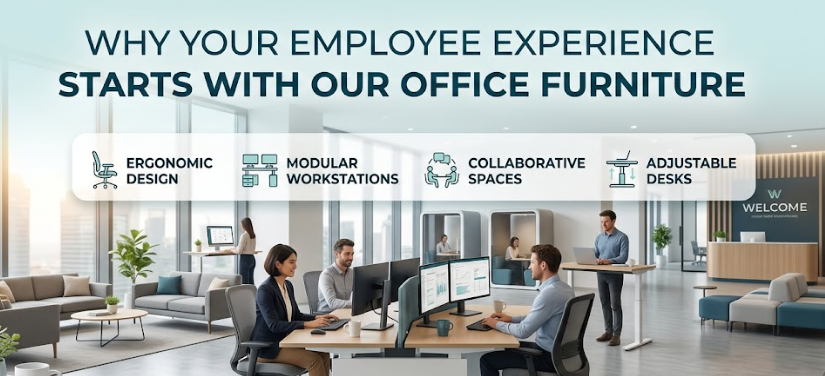
Ask any HR leader what creates a great Employee Experience, and you’ll probably hear answers like meaningful work, supportive leadership, learning opportunities, or company culture. While every one of these matters, they all come into play after an employee has already formed their first impression. Long before the first team meeting begins or the onboarding presentation starts, employees are already evaluating the organisation. They notice the reception area, the atmosphere, how people interact, whether the workspace feels organised, and even something as simple as the chair they’ll be sitting on for the next eight hours. These observations might seem insignificant, but together they create the foundation of the overall workplace experience. A clean, organised, and thoughtfully designed office quietly communicates professionalism, trust, and respect for employees. On the other hand, outdated furniture, uncomfortable workstations, or cluttered spaces can create uncertainty before a single conversation takes place.Think About Your Own Experience
Most people don’t remember every slide from their onboarding presentation, but they do remember how the office made them feel on their very first day.
1. First Impressions Begin Before Introductions
People form opinions remarkably quickly. Research consistently suggests that first impressions develop within moments of entering a new environment, and the workplace is no exception. Before introducing themselves to colleagues or opening a laptop, new employees have already begun evaluating the organisation through what they see and experience. The reception area, lighting, workstation layout, meeting rooms, cleanliness, and overall office environment all send subtle signals about how the company operates. These signals influence confidence, expectations, and comfort long before onboarding officially begins. Imagine arriving for your first day and finding an organised workspace with supportive seating, natural lighting, modern meeting rooms, and welcoming collaborative spaces. Without anyone explaining the company culture, you’ve already gained confidence that the organisation values professionalism and employee wellbeing. Now imagine the opposite—a cluttered office, uncomfortable seating, outdated office furniture, and workstations that appear neglected. Even if the company promotes itself as employee-focused, the physical environment tells a conflicting story.Key Insight
The workplace becomes one of the first promises a company makes to its employees. A positive Employee Experience begins when the office reflects the same care and professionalism that the organisation communicates during recruitment.
2. Office Furniture Says More Than You Think
When companies invest in attracting talented people, they often focus on employer branding, recruitment campaigns, and onboarding programmes. Yet one of the strongest messages a business sends isn’t written in a brochure or displayed on its website—it’s reflected in the everyday workplace. Take a look around any office. Employees interact with desks, chairs, meeting rooms, and collaborative spaces for most of their working day. These aren’t simply functional assets; they’re part of the overall Employee Experience. Every detail contributes to how employees feel about their workplace, whether they realise it or not. Quality office furniture communicates that the organisation values comfort, professionalism, and long-term employee wellbeing. It tells employees that the company has invested in creating an environment where they can focus, collaborate, and perform at their best. On the other hand, uncomfortable chairs, ageing desks, or poorly maintained workstations can unintentionally send the opposite message.A Simple Question
If your office could speak without using words, what would it tell employees about your company?
3. Comfortable Employees Become More Confident Employees
Starting a new role requires confidence, but confidence doesn’t develop only through training or encouragement. It also comes from feeling comfortable in the environment where you’ll spend most of your day. Every new employee experiences a learning curve. They’re adapting to unfamiliar systems, understanding new responsibilities, meeting colleagues, and finding their place within the organisation. During this period, even small workplace frustrations can feel much larger than they actually are. An uncomfortable chair, a poorly arranged workstation, or an inefficient office environment may seem like minor inconveniences, but they create unnecessary distractions during an already challenging transition. In contrast, a thoughtfully designed workspace helps employees settle in more naturally.Small Changes, Big Impact
- Ergonomic chairs encourage better posture throughout the day.
- Comfortable meeting rooms reduce fatigue during long discussions.
- Organised workstations minimise distractions.
- Collaborative spaces encourage communication between teams.
- Flexible layouts support different working styles.
Remember
Great workplaces don’t happen by accident. They are intentionally designed to remove obstacles, support employees, and create an environment where people can consistently do their best work.
4. Small Workplace Details Have a Big Impact on Employee Productivity
When businesses think about improving Employee Experience, they often focus on large initiatives such as new HR policies, employee engagement programmes, or technology upgrades. While these investments certainly matter, it’s often the smallest workplace details that employees interact with every single day. Consider a typical workday. An employee adjusts their chair dozens of times, moves between meeting rooms, collaborates with teammates, and spends hours at their workstation. If any part of that experience creates unnecessary friction, concentration slowly decreases. These moments may seem insignificant on their own, but over weeks and months, they directly influence employee productivity. That’s why successful organisations pay close attention to the physical office environment. Comfortable seating, adequate lighting, organised workstations, accessible meeting spaces, and quiet focus areas all contribute to an office where employees can perform without constant interruptions.The Everyday Experience Matters
Employees rarely talk about a chair that supports them perfectly or a meeting room that simply works well. However, they immediately notice uncomfortable seating, poor layouts, or distracting workspaces. Great workplace design removes problems before employees even realise they exist.
5. Collaboration Starts with the Right Environment
Every organisation wants employees to collaborate more effectively. Teams are encouraged to share ideas, solve problems together, and communicate openly. However, collaboration isn’t created by meetings alone. It is heavily influenced by the environment where those interactions take place. Imagine brainstorming in a cramped room with uncomfortable seating and poor lighting. Compare that with a modern workspace designed with comfortable office furniture, flexible seating arrangements, and technology that supports productive discussions. The difference isn’t just visual—it affects how people participate, communicate, and engage with one another. An effective office environment offers employees different types of spaces depending on the work they’re doing. Open collaboration areas encourage creativity, quiet zones support focused work, and well-equipped meeting rooms make discussions more productive. Together, these spaces create a balanced workplace experience that accommodates different working styles.Features That Encourage Better Collaboration
- Comfortable meeting room seating for longer discussions.
- Flexible collaborative workspaces.
- Private areas for focused conversations.
- Open spaces that encourage spontaneous idea sharing.
- Ergonomic workstations that support extended teamwork.
Business Perspective
The best offices aren’t designed only for individual productivity—they’re designed to help people work well together. A thoughtful workplace creates opportunities for collaboration without sacrificing comfort or focus.
6. Employee Wellbeing Is Designed, Not Announced
Many organisations proudly state that employee wellbeing is one of their core values. It’s highlighted during recruitment, discussed in leadership meetings, and promoted across company websites. But employees don’t judge wellbeing by what they read—they judge it by what they experience every working day. This is where Employee Experience becomes tangible. A workplace that genuinely supports employees isn’t defined by posters encouraging wellness or occasional initiatives. Instead, it’s reflected in everyday decisions that make work more comfortable, healthier, and less stressful. The office environment plays a significant role in this experience. Comfortable seating, sufficient lighting, quiet focus areas, collaborative meeting spaces, and thoughtfully planned layouts all contribute to reducing physical and mental fatigue throughout the workday.Wellbeing Starts with Everyday Comfort
Employees spend nearly one-third of their day at work. When the workplace supports their physical comfort, they’re more likely to remain focused, motivated, and engaged throughout the day.
7. Great Employee Experience Is Built Long Before Day One
By the time an employee attends their first team meeting, much of their initial perception of the organisation has already been formed. They’ve observed the workspace, interacted with colleagues, explored their workstation, and experienced the company’s physical environment firsthand. This is why leading organisations understand that Employee Experience doesn’t begin with onboarding—it begins with preparation. Every decision made before an employee arrives contributes to how welcomed, supported, and confident they feel on their very first day. From selecting high-quality office furniture to designing collaborative workspaces and creating comfortable meeting rooms, every detail reflects how seriously an organisation values its people. Employees notice these details, even if they don’t consciously think about them.What Exceptional Workplaces Have in Common
- Comfortable, ergonomic workstations that support long hours.
- Well-designed meeting rooms that encourage collaboration.
- Flexible spaces for focused work and teamwork.
- An organised and welcoming office environment.
- A workplace that removes obstacles instead of creating them.
Final Thoughts
The first meeting matters, but it isn’t where the employee journey begins. Long before introductions, presentations, or training sessions, employees are already forming opinions based on the environment around them. Every interaction with the workspace contributes to their overall Employee Experience. A thoughtfully designed office environment, supported by ergonomic office furniture, collaborative workspaces, and employee-focused planning, sends a clear message: people matter here. These everyday experiences help employees feel welcomed, valued, and ready to do their best work from day one. Organisations that invest in workplace design aren’t simply improving aesthetics—they’re strengthening culture, encouraging collaboration, and creating the conditions for higher employee productivity. Small improvements in the physical workplace often lead to meaningful long-term benefits for both employees and the business. At OffheMan, we believe that exceptional workplaces are built intentionally. By combining ergonomic office furniture with thoughtful workplace solutions, businesses can create environments where employees don’t just work—they thrive. Because the best Employee Experience always starts before the first meeting.Helpful Resources
To learn more about workplace ergonomics, healthy sitting posture, and office seating standards, explore these trusted external resources:

 No products in the cart.